




What the service covers
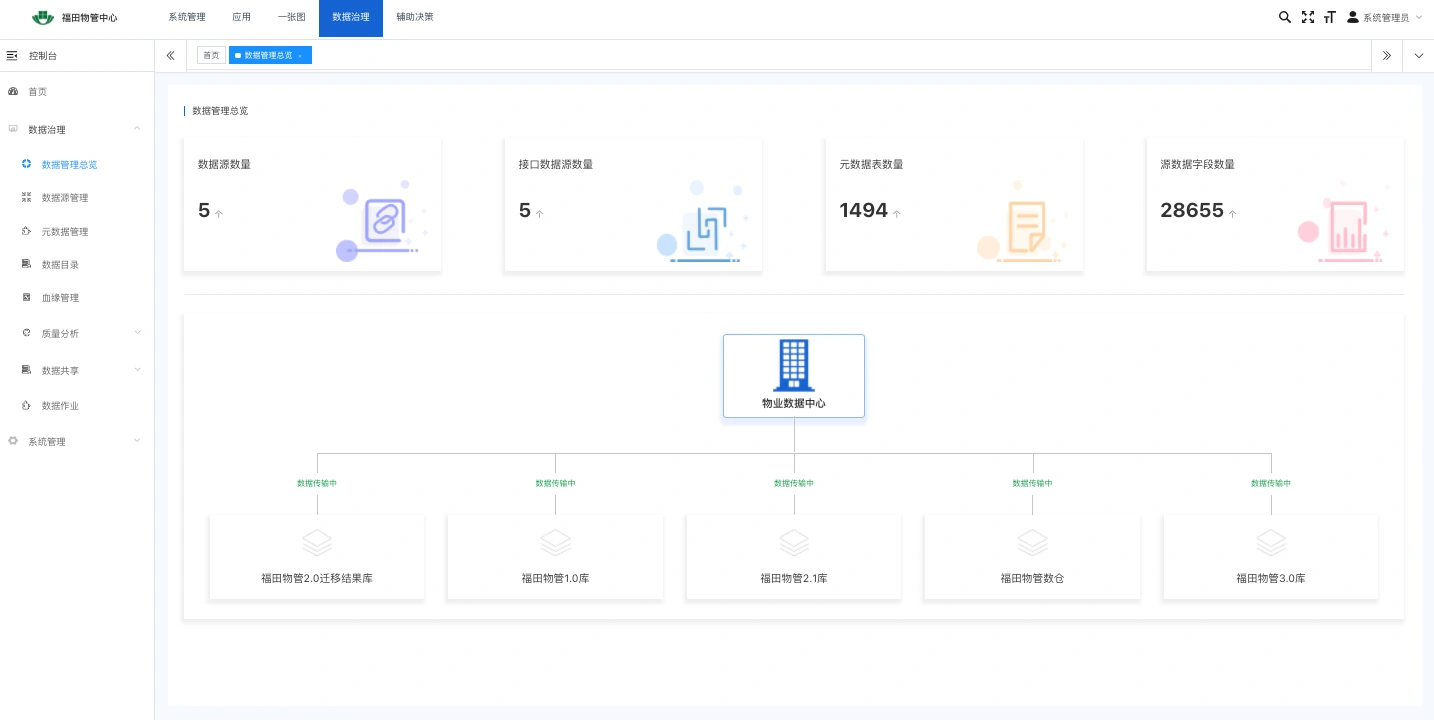
We bring data from multiple systems into one foundation, remove duplicates and unnecessary copies, standardize fields, metrics, and access rules, and automate backups. Teams and applications can then use the same governed data for reporting and decisions.


Discovery
Connect source systems and map duplicate records, unnecessary copies, and current backups.

Solution design
Standardize fields, metrics, access rules, and quality checks to create reusable data assets.

Implementation
Make governed data available to teams and applications, with a backup policy in place.

System integration
Review team roles, permissions and existing systems before deciding how to integrate.

On-site validation
Check results with the people who will use the system to catch practical issues early.

Launch support
Agree on acceptance and handover, with room to improve the system later.
Field notes
Our approach
Inventory sources and duplicated work
Map databases, integrations and spreadsheets. Establish the authoritative source, refresh schedule and owner for each dataset, and flag duplicate entry and manual backups.
Turn governed data into reusable assets
Standardize identifiers, fields and metrics, then handle missing, duplicate and conflicting records. Set quality rules, permissions and lineage.
Put the data to work
Serve data through APIs, dashboards and reports. Test incremental updates and backup recovery, and reconcile outputs against metrics the business already uses.
Related case studies
See how these approaches apply to real business workflows.
Design priorities

Fit existing workflows
Review team roles, permissions and existing systems before deciding how to integrate.

Pilot before rollout
Check results with the people who will use the system to catch practical issues early.

Involve frontline teams
Choose a real task and agree on acceptance criteria. Involve the team that will use the system in checking the results.

Keep improving after launch
Yes. We can use feedback from day-to-day use to agree on the next priorities.

We bring data from multiple systems into one foundation, remove duplicates and unnecessary copies, standardize fields, metrics, and access rules, and automate backups. Teams and applications can then use the same governed data for reporting and decisions.

Data Platforms & Analytics
Nuoyi Cloud · Shenzhen
Data Platforms & Analytics
Frequently asked questions
We can start with one specific business problem.
Can we start with a small project?
Will we need to replace our systems?
How do we tell if the solution fits?
Who takes part in acceptance testing?
Can we make changes after launch?